- Part 1. What is a group 34 battery?
- Part 2. Voltage
- Part 3. Capacity and CCA
- Part 4. Group 34 battery dimensions & specifications
- Part 5. Types of group 34 batteries
- Part 6. Weight
- Part 7. Price range
- Part 8. Best group 34 battery brands
- Part 9. Common applications
- Part 10. How to find your battery group size
- Part 11. Lifespan of a group 34 battery
- Part 12. Conclusion
When choosing a battery for your car, truck, SUV, or marine equipment, size and performance matter. One of the most versatile options on the market today is the Group 34 battery — also called BCI Group Size 34.
Known for its excellent balance of power, reliability, and durability, this battery fits a wide range of vehicles and applications. But what exactly is a Group 34 battery, and how do you choose the best one?
This complete guide covers everything you need to know — including Group 34 battery dimensions, voltage, capacity, types, lifespan, and recommended brands.
Part 1. What is a group 34 battery?
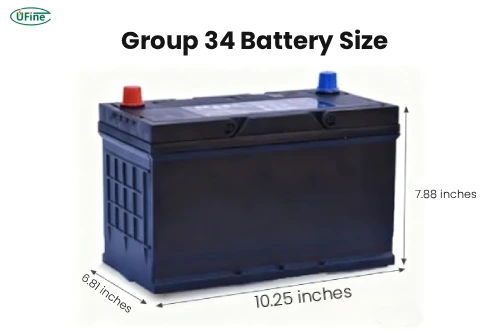
A Group 34 battery refers to a standardized battery size defined by the Battery Council International (BCI). The “34” doesn’t represent voltage or capacity; it specifies the physical dimensions of the battery case.
These batteries typically measure 10.25 inches long, 6.81 inches wide, and 7.88 inches high — making them an ideal fit for vehicles that require strong cranking power in a compact size.
1 Key Advantages
- Powerful performance: Delivers high starting power for vehicles with heavy electrical loads.
- Durability: Resistant to vibration and extreme conditions.
- Versatility: Suitable for trucks, SUVs, marine, and RV use.
2 Possible Disadvantages
- Weight: Some models can be heavy (up to 50 lbs).
- Price: Premium types like AGM or lithium-ion are more expensive but last longer.
Part 2. Voltage
The Group 34 battery voltage is typically 12 volts, the standard for most automotive and marine systems. This ensures stable power for engine starting, lighting, infotainment, and accessories.
If you drive a modern SUV with advanced electronics — GPS, sound system, and multiple power outlets — a 12V Group 34 battery provides reliable energy without voltage drops, even on long trips.
Part 3. Capacity and CCA
A Group 34 battery capacity usually ranges between 50Ah and 75Ah (amp-hours). The higher the Ah rating, the longer the battery can supply power before needing a recharge.
The Cold Cranking Amps (CCA) rating — usually 750 to 950 CCA — determines how well it can start your engine in cold temperatures. Higher CCA means better performance in winter or high-demand conditions.
Example: A Group 34 AGM battery with 800+ CCA is ideal for cold climates or vehicles with multiple accessories.
Part 4. Group 34 battery dimensions & specifications
| Parameter | Typical Value | Notes |
|---|---|---|
| Nominal Voltage | 12V | Standard automotive voltage |
| Capacity (Ah) | 50–75Ah | Higher Ah = longer runtime |
| Cold Cranking Amps (CCA) | 750–950 | Excellent cold-start power |
| Dimensions (L×W×H) | 10.25″ × 6.81″ × 7.88″ | BCI Group Size 34 standard |
| Weight | 38–50 lbs (lead-acid), 20–30 lbs (lithium) | Lithium is lighter |
| Common Types | Flooded, AGM, Gel, Lithium-ion | Choose by application |
Tip: Always check your vehicle’s battery tray before purchasing to ensure the Group 34 size fits securely.
Part 5. Types of group 34 batteries
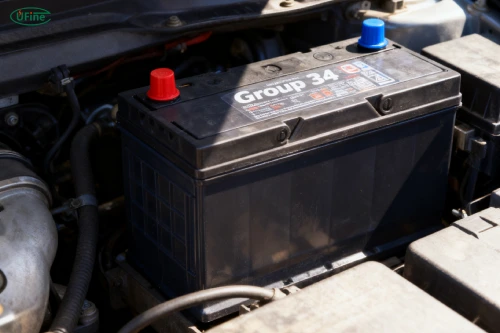
Different Group 34 battery types suit different needs and budgets:
- Flooded Lead-Acid: Affordable and reliable but requires maintenance (adding distilled water).
- AGM (Absorbent Glass Mat): Sealed, maintenance-free, and more vibration-resistant — ideal for trucks, SUVs, and marine use.
- Gel Cell: Uses a gel electrolyte, offering enhanced leak and vibration protection.
- Lithium-Ion: Lightweight, long-lasting, and efficient — best for performance-focused users.
Want to see how they compare? Check out our guide:
AGM VS Lithium VS Lead-Acid Battery: Comprehensive Comparison
Part 6. Weight
Group 34 lead-acid or AGM batteries usually weigh between 40–50 lbs, while lithium-ion versions are much lighter — only 20–30 lbs.
If you frequently remove or move your battery (e.g., for RV or boat use), a lightweight lithium Group 34 battery can save significant effort and make installation easier.
Part 7. Price range
Prices vary by type and brand:
| Battery Type | Typical Price (USD) |
|---|---|
| Flooded Lead-Acid | $100–$150 |
| AGM | $150–$250 |
| Gel Cell | $200–$300 |
| Lithium-Ion | $300–$500+ |
Although AGM and lithium batteries cost more upfront, they offer better performance, longer lifespan, and reduced maintenance — making them cost-effective in the long run.
Part 8. Best group 34 battery brands
Some of the most trusted Group 34 battery brands include:
- Optima: Premium AGM design, excellent for trucks and off-road vehicles.
- Odyssey: High-performance, long-lasting batteries for professional use.
- DieHard: Great value and wide availability in major retailers.
- Exide: Reliable flooded lead-acid models for budget-conscious users.
- NorthStar: Premium AGM batteries built for longevity and extreme conditions.
Part 9. Common applications
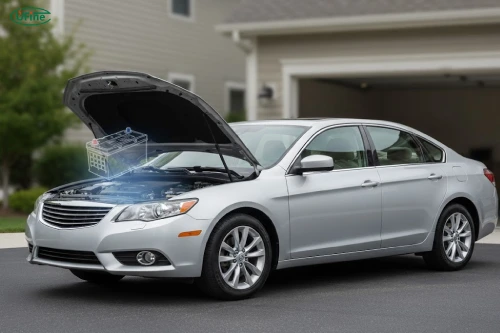
Thanks to their balance of power and size, Group 34 batteries are used in:
- Cars and SUVs – especially high-demand electrical systems
- Trucks and RVs – long-lasting and stable performance
- Marine vehicles – excellent vibration resistance
- Backup power systems – home or business emergency setups
Part 10. How to find your battery group size
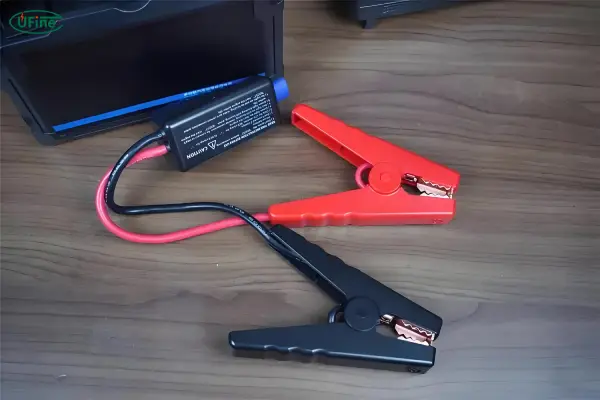
Finding your battery group size is easy:
- Check your vehicle owner’s manual.
- Look at your current battery label for the BCI group number.
- Measure your battery dimensions (L × W × H) and compare them to the Group 34 standard.
Using the correct group size ensures proper fit, performance, and safety.
Part 11. Lifespan of a group 34 battery
Lifespan varies by type and maintenance:
| Type | Average Lifespan |
|---|---|
| Flooded Lead-Acid | 3–5 years |
| AGM | 5–7 years |
| Lithium-Ion | 8–10+ years |
Regular charging, avoiding deep discharges, and storing at moderate temperatures can help maximize your battery’s service life.
Part 12. Conclusion
What’s the difference between Group 34 and Group 24 batteries?
Group 34 batteries are larger, provide higher CCA, and suit vehicles with more demanding electrical systems. Group 24 batteries are smaller and used in compact cars.
Are Group 34 and 34R batteries the same?
They have identical dimensions, but terminal positions are reversed. Always check polarity before installing.
Can I replace a Group 34 battery with a Group 35?
They’re similar in size, but terminal orientation and fitment may differ. Confirm compatibility with your vehicle specifications.
What vehicles use a Group 34 battery?
Common in SUVs, trucks (Ford F-150, Toyota Tundra, Chevrolet Silverado), and marine or RV setups.
What’s the best Group 34 AGM battery?
Top-rated options include the Optima RedTop 34/78, Odyssey 34-PC1500T, and NorthStar NSB-AGM34 — all offering high CCA and long lifespan.
Related Tags:

More Articles
What is the Difference Between Silver Zinc Battery vs. Lithium-ion Rechargeable?
Compare silver zinc and lithium-ion rechargeable batteries: energy density, cycle life, safety, cost, and uses in drones, medical devices, EVs, and electronics.
What are Watts and Watt Hours in Battery?
Understand watt vs watt-hour in batteries: key differences, how to calculate capacity, and why they matter. Includes free comparison table.
Best 10 Blood Pressure Monitor Battery Review: Finding the Most Reliable
Are you looking for a reliable Blood Pressure Monitor battery? Here is a complete guide with the top 10 best blood pressure monitor batteries.
Bluetooth Headphone Battery Guide: All You Need to Know
Maximize headphone battery life with expert tips! Learn how to charge, check, troubleshoot, and choose the best bluetooth headphone battery in 2025.
LiFePO4 Battery VS. Lithium-ion Polymer Battery: Which One Is Best?
Comprehensive comparison of LiFePO4 vs Lithium Ion Polymer batteries: energy density, safety, lifespan, cost. Find out which battery suits your needs in 2025.